
Diagnosis, Modern Therapies, and Evidence-Based Management of HPV-Related Warts
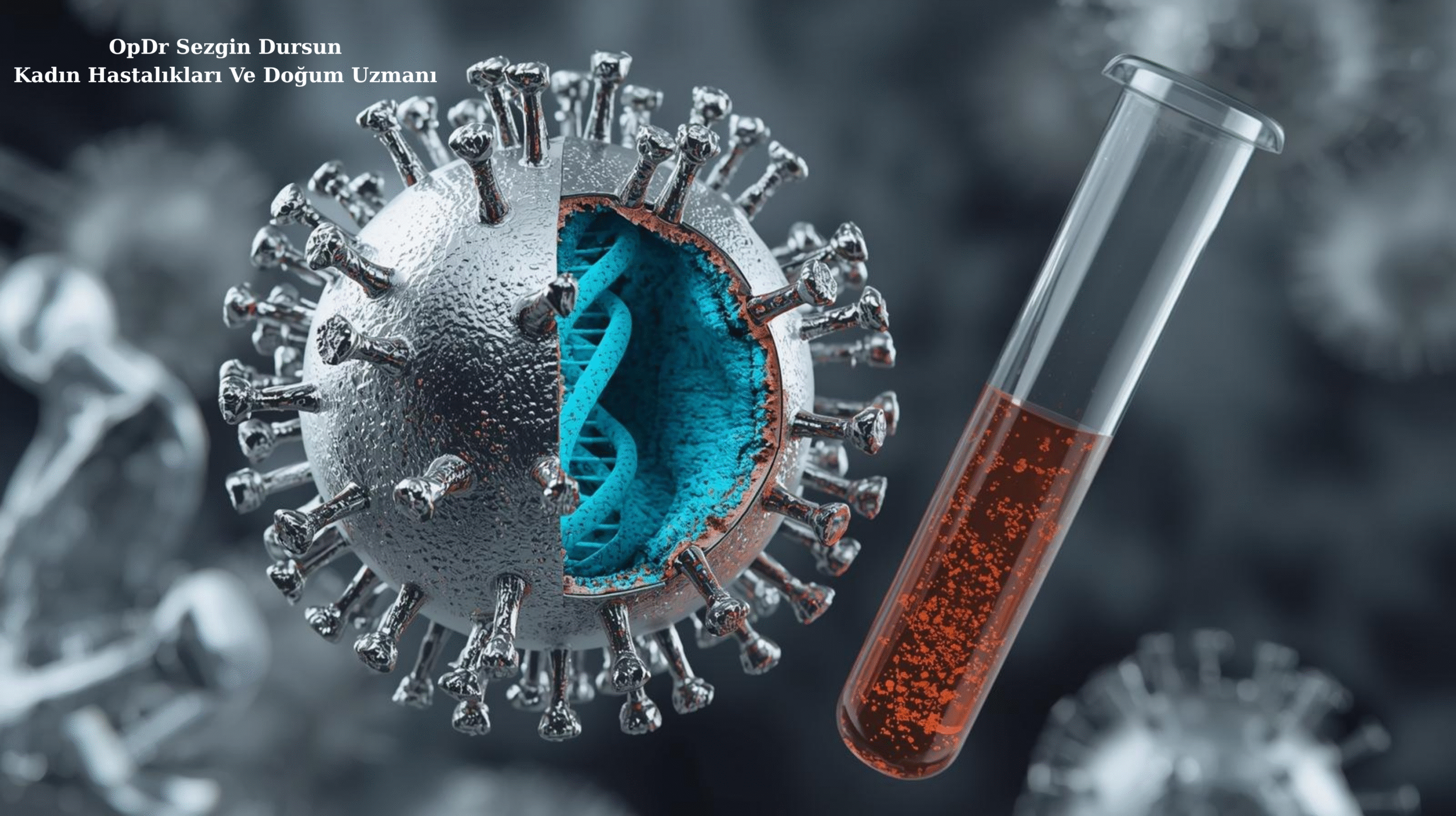
Warts (verrucae) are one of the most frequent viral skin conditions, caused by infection with the human papillomavirus (HPV). They may appear on the hands, feet, face, or genital area, and while benign, they often lead to discomfort, itching, cosmetic concerns, or fear of transmission.
In Bakırköy, one of Istanbul’s central medical hubs, dermatologists and gynecologists provide state-of-the-art diagnostic and therapeutic care for patients with both cutaneous and genital warts.
Treatment is tailored to each patient’s needs, ensuring fast healing, minimal recurrence, and excellent cosmetic outcomes.
For information and appointments in Bakırköy: +90 541 998 34 34
Understanding Warts and HPV
HPV infects the basal layer of the skin or mucosa through microscopic abrasions. This triggers cell proliferation, resulting in wart formation.
While over 150 HPV subtypes exist, only a few cause visible warts — most notably types 1, 2, 4 (skin warts) and 6, 11 (genital warts).
In Bakırköy, patients frequently present with plantar, hand, or genital warts, all of which require individualized medical management.
Common Types of Warts
-
Common warts (Verruca vulgaris): Rough papules, often on hands or elbows.
-
Plantar warts (Verruca plantaris): Painful, thick lesions on the soles of the feet.
-
Flat warts (Verruca plana): Smooth, flat lesions on face, arms, or legs.
-
Genital warts (Condylomata acuminata): Soft growths in genital or anal areas, transmitted sexually.
-
Subungual/periungual warts: Around fingernails or toenails, sometimes resistant to treatment.
Each form of wart demands a different therapeutic strategy based on size, number, and location.
Diagnosis and Evaluation in Bakırköy Clinics
Diagnosis of warts is primarily clinical. Experienced dermatologists in Bakırköy use visual inspection and dermoscopy to identify the characteristic surface and vascular patterns of HPV lesions.
Diagnostic Tools
-
Dermoscopy: Reveals thrombosed capillaries and papillomatous projections typical of viral warts.
-
Acetic Acid Test (3–5%): Useful for detecting genital warts; turns infected epithelium white.
-
Biopsy: Reserved for atypical or non-healing lesions to rule out malignancy (e.g., squamous cell carcinoma).
-
HPV typing: Sometimes performed for genital infections or research purposes.
Associated Screening
For genital warts, evaluation often includes:
-
Pap smear and HPV DNA testing in women.
-
STI screening (chlamydia, gonorrhea, HIV).
-
Immunologic evaluation in recurrent or widespread cases.
Early diagnosis ensures prompt, targeted treatment and helps prevent transmission.
Treatment Principles and Goals
The goals of wart management are:
-
Eliminate visible lesions while preserving surrounding skin.
-
Relieve discomfort such as pain, itching, or irritation.
-
Prevent viral spread and recurrence.
-
Promote immune clearance of HPV-infected cells.
-
Maintain cosmetic outcomes, particularly for facial and genital warts.
Because HPV may persist subclinically, combination therapy and consistent follow-up are essential.
Topical and Non-Surgical Treatments
1. Salicylic Acid
A keratolytic agent that exfoliates infected skin layers.
Applied daily after soaking and paring the wart surface.
Over-the-counter formulations (10–40%) are widely available in Bakırköy pharmacies.
Treatment duration: several weeks to months.
Local redness and peeling are common but mild.
2. Imiquimod 5% Cream
An immune response modifier that enhances interferon and cytokine activity.
Applied three times weekly at bedtime for genital or perianal warts.
Duration: up to 16 weeks.
Inflammation or mild soreness is a normal immune reaction.
Commonly used in gynecology clinics across Bakırköy for female patients with vulvar warts.
3. Podofilox (Podophyllotoxin)
Cytotoxic agent applied twice daily for three days, followed by four days of rest; repeat for up to four cycles.
Best for small external genital warts.
Not used in pregnancy or on mucosal surfaces.
4. Sinecatechins 15% Ointment
Green tea extract-based topical therapy with antiviral and antioxidant effects.
Applied three times daily until clearance (max 16 weeks).
Preferred for patients seeking plant-derived, non-chemical therapy.
5. Trichloroacetic Acid (TCA)
Applied by a physician to chemically cauterize warts.
Safe for use during pregnancy and mucosal regions.
Weekly applications until resolution.
Bakırköy gynecology and dermatology clinics frequently use TCA for genital and anal lesions.
6. Other Topical Options
-
Retinoids (Tretinoin): For flat warts on the face.
-
5-Fluorouracil: For thick plantar or periungual lesions.
-
Zinc, Vitamin C, or cimetidine: As immune support in recurrent cases.
Office-Based and Surgical Treatments in Bakırköy
For large, resistant, or painful warts, professional interventions provide faster results.
1. Cryotherapy
The most popular treatment in Bakırköy dermatology centers.
Liquid nitrogen is applied to freeze and destroy infected tissue.
Usually repeated every 2–3 weeks for several sessions.
Temporary swelling or blistering is common but heals quickly.
Success rate: 70–90%.
2. Electrocautery
Electric current burns and removes wart tissue.
Performed under local anesthesia.
Immediate results but may leave mild scarring.
Effective for stubborn warts on hands or genital areas.
3. Laser Therapy (CO₂ or Pulsed Dye)
High-energy laser vaporizes wart tissue with precision and minimal bleeding.
Indicated for extensive genital warts, facial lesions, and resistant plantar warts.
Available in Bakırköy’s advanced private hospitals and dermatology centers.
Healing within 7–10 days.
4. Surgical Excision / Curettage
Physical removal under local anesthesia, often followed by electrocautery.
Used for large or single warts, providing instant results.
Requires proper wound care to prevent recurrence.
5. Photodynamic Therapy (PDT)
Combines a photosensitizing solution with special light exposure to destroy wart tissue.
Effective for multiple or recurrent flat warts.
Offered at select specialized dermatology units in Bakırköy.
6. Immunotherapy
Intralesional injections (Candida antigen, MMR vaccine) stimulate the immune system to fight HPV infection systemically.
An emerging and promising approach for chronic or resistant cases in Istanbul’s tertiary centers.
Management of Genital Warts in Bakırköy
Genital warts (condyloma acuminata) are caused by HPV types 6 and 11 and transmitted through sexual contact.
Bakırköy’s gynecology and sexual health clinics follow international standards (CDC, UpToDate, IUSTI) for treatment.
Therapeutic Options
-
Patient-applied: Imiquimod, Podofilox, Sinecatechins
-
Physician-applied: Cryotherapy, TCA, Electrocautery, Laser
-
Surgical: Excision for large or internal lesions
Key Counseling Points
-
Removal targets visible lesions only; HPV may persist in nearby tissue.
-
Condom use lowers, but does not fully prevent, transmission.
-
HPV vaccination (Gardasil 9) is highly recommended for both sexes.
-
Women require ongoing Pap smears and HPV testing for early detection.
Bakırköy clinics ensure privacy, comfort, and multilingual communication for both local and international patients.
Special Situations
Pregnancy
-
Avoid podophyllin, podofilox, and imiquimod.
-
Safe treatments: Cryotherapy or TCA.
-
Cesarean delivery is reserved for large obstructive genital warts.
Immunocompromised Patients
-
Warts may be extensive and resistant.
-
Require combination therapy and close follow-up.
-
May benefit from immunotherapy or systemic antivirals.
Pediatric Patients
-
Most warts resolve spontaneously.
-
Gentle treatments such as salicylic acid or cryotherapy are preferred.
-
Avoid aggressive methods to prevent scarring.
Prognosis and Recurrence
Recurrence is common — about 20–40% within 6–12 months — due to persistent viral DNA in the epithelium.
Regular follow-up, immune support, and lifestyle hygiene are essential.
Most patients in Bakırköy experience full clearance after appropriate therapy and continued monitoring.
Prevention and Education
-
Avoid touching, scratching, or shaving over warts.
-
Do not share razors, towels, or footwear.
-
Maintain dry, clean skin and treat small cuts promptly.
-
Practice safe sex and regular screening for HPV.
-
Get vaccinated with the HPV vaccine (Gardasil 9) for long-term prevention.
-
Keep up regular dermatologic or gynecologic check-ups in Bakırköy clinics.
Evidence-Based Overview
-
Warts result from localized HPV infection and may regress spontaneously.
-
Salicylic acid and cryotherapy are first-line for cutaneous lesions.
-
Imiquimod, TCA, and laser therapy are preferred for genital warts.
-
Recalcitrant cases may benefit from photodynamic therapy or immunotherapy.
-
Combination treatment offers the best long-term outcomes.
-
HPV vaccination remains a key preventive strategy for both men and women.
Comprehensive Wart Care in Bakırköy, Istanbul
Bakırköy hosts some of Istanbul’s leading dermatology and gynecology clinics, equipped with advanced cryotherapy, laser, and immunotherapy systems.
Each patient receives a personalized plan following UpToDate, CDC, and European IUSTI guidelines.
Clinics prioritize safety, confidentiality, and patient comfort — offering multilingual support (English, Arabic, Russian, Turkish) for local and international visitors.
From simple topical therapies to advanced laser removal, Bakırköy provides complete, evidence-based wart management for every patient.
For examination, diagnosis, and treatment of warts in Bakırköy: +90 541 998 34 34
Şunları da incelemek isteyebilirsiniz https://www.sezgindursun.com/atasehir-hpv-testi/
https://www.sezgindursun.com/atasehir-genital-sigil-tedavisi/