
Egg Freezing: Your Complete Guide to Fertility Preservation
Egg freezing, medically known as oocyte cryopreservation, has revolutionized reproductive medicine by offering women the opportunity to preserve their fertility and extend their reproductive timeline. This groundbreaking technology allows women to freeze their eggs at a younger age when they are healthiest and most viable, providing the option to use them later when they are ready to start a family. Whether you’re focusing on your career, haven’t found the right partner, facing medical treatments that may affect fertility, or simply want to keep your reproductive options open, egg freezing offers peace of mind and reproductive autonomy. This comprehensive guide explores everything you need to know about egg freezing, from understanding the process to making informed decisions about your fertility future. As more women embrace this technology worldwide, having accurate information is essential for determining if egg freezing is right for you. For personalized consultation and expert guidance on egg freezing, contact us at +90 541 998 34 34, Istanbul/Turkey.
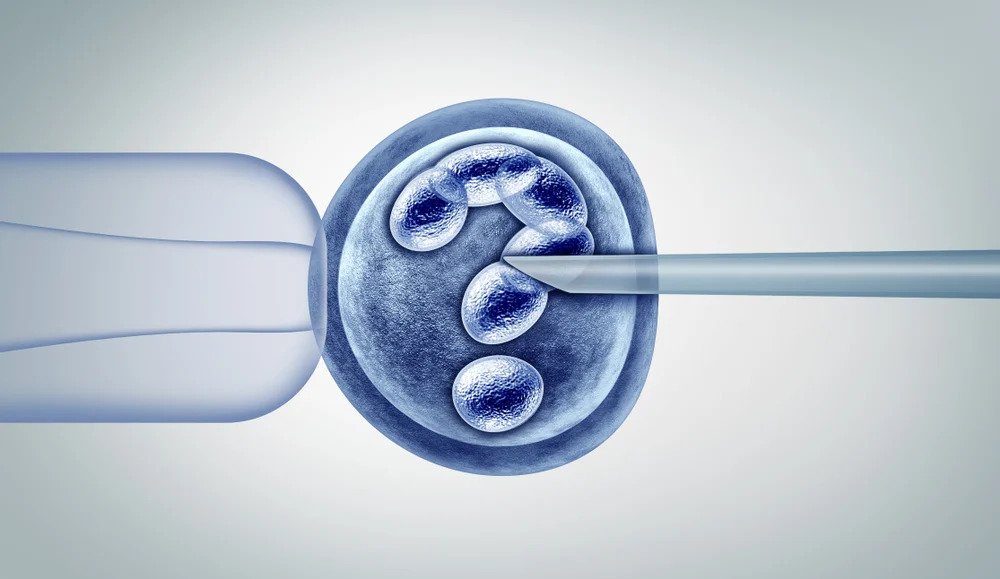
What is Egg Freezing and How Does It Work?
Egg freezing is a medical procedure that involves extracting a woman’s eggs from her ovaries, freezing them unfertilized, and storing them for future use. When a woman decides she’s ready to have a baby, the frozen eggs can be thawed, fertilized with sperm in a laboratory through intracytoplasmic sperm injection (ICSI), and transferred to the uterus as embryos through in vitro fertilization (IVF).
The process uses vitrification, an ultra-rapid freezing technique that prevents ice crystal formation within the eggs. Ice crystals can damage the delicate cellular structures of eggs, so vitrification’s flash-freezing method has dramatically improved egg survival rates to over ninety-five percent. This technological advancement has made egg freezing a viable and increasingly popular option for fertility preservation.
Unlike embryo freezing, which requires fertilization with sperm before freezing, egg freezing allows women to preserve their fertility independently without needing a partner or sperm donor at the time of freezing. The frozen eggs remain viable for many years, with no evidence of quality deterioration over time when properly stored. This means eggs frozen at age thirty can be just as viable when used at age forty as they were on the day of freezing.
Why Women Choose Egg Freezing
Women choose egg freezing for various personal, medical, and social reasons. Understanding these motivations helps clarify whether egg freezing might be right for your situation.
Career and educational goals represent a common motivation. Many women in their twenties and thirties are establishing careers, pursuing advanced degrees, or building businesses. These endeavors require significant time and energy that may conflict with family planning during peak fertility years. Egg freezing allows women to focus on professional development while preserving fertility for when circumstances are more conducive to parenthood.
Not having found the right partner is another frequent reason. Many women in their thirties find themselves successful and fulfilled in many areas of life but haven’t yet met someone they want to parent with. Rather than feeling pressured by the biological clock or rushing into relationships or single parenthood before feeling ready, egg freezing provides time to find the right partner without compromising fertility.
Medical reasons for egg freezing include cancer treatment, as chemotherapy and radiation can damage or destroy eggs. Freezing eggs before cancer treatment preserves the possibility of biological children after recovery. Other medical conditions affecting fertility like endometriosis, premature ovarian insufficiency, autoimmune disorders, or genetic conditions that may impact future fertility also motivate women to freeze eggs.
Family history of early menopause is a significant consideration. Women whose mothers or sisters experienced menopause in their thirties or early forties may choose to freeze eggs earlier to ensure they have viable eggs before potential early fertility decline.
Gender transition represents another important reason. Transgender men may freeze eggs before beginning hormone therapy or gender-affirming surgeries that would affect reproductive capacity, preserving the option for genetic parenthood in the future.
Simply wanting reproductive autonomy and control over family planning timing motivates many women. Egg freezing provides insurance against age-related fertility decline and peace of mind, removing pressure to make rushed decisions about partnership or parenthood.
The Ideal Age for Egg Freezing
The optimal age for egg freezing balances egg quality and quantity with the likelihood of future use. While women can freeze eggs at various ages, certain age ranges offer the best outcomes.
The ideal age range is typically between thirty and thirty-five years old. During these years, women still have good egg quality and reasonable quantity, maximizing the chances that frozen eggs will result in successful pregnancies later. Egg quality begins declining more noticeably after age thirty-five, and the decline accelerates after forty.
Women in their twenties have the highest quality eggs and greatest quantity. However, younger women may be less certain about their future family planning needs and may ultimately not use their frozen eggs. The financial investment in egg freezing at this age might not be necessary if natural conception is still many years away.
Women between thirty-five and forty can still benefit from egg freezing, though they may need to freeze more eggs to achieve similar success rates as younger women due to declining egg quality. The recommendation for this age group is often to freeze fifteen to twenty mature eggs to have a reasonable chance of one live birth.
Women over forty can still freeze eggs, but success rates decline significantly due to reduced egg quality and quantity. At this age, many specialists recommend considering donor eggs instead, though individual circumstances vary. Comprehensive fertility testing including AMH levels and antral follicle count helps determine if egg freezing at this age is worthwhile.
The decision about when to freeze eggs should consider your current age, fertility assessment results, family planning timeline, and financial resources. Consulting with a fertility specialist who can evaluate your individual situation provides personalized guidance for optimal timing.
The Egg Freezing Process: Step by Step
Understanding the egg freezing process helps you prepare physically and emotionally for the journey. The entire process typically takes two to three weeks from start to finish.
Initial Consultation and Fertility Testing
Your egg freezing journey begins with a comprehensive consultation with a fertility specialist. This appointment involves discussing your medical history, reasons for freezing eggs, family planning goals, and any concerns you have. The specialist will explain the process in detail, discuss success rates based on your age, and answer your questions.
Fertility testing follows the consultation to assess your ovarian reserve and overall reproductive health. Blood tests measure hormone levels including anti-Müllerian hormone (AMH), follicle-stimulating hormone (FSH), estradiol, and sometimes luteinizing hormone (LH). AMH provides the best indicator of ovarian reserve and helps predict how many eggs might be retrieved. Transvaginal ultrasound examines your ovaries to count antral follicles, which are small follicles visible in the early stages of development. The antral follicle count combined with AMH gives an estimate of expected response to ovarian stimulation.
Additional tests may include thyroid function, screening for infectious diseases, and general health assessments to ensure you’re a good candidate for the procedure. Based on these results, your fertility specialist develops a personalized stimulation protocol optimized for your specific physiology.
Ovarian Stimulation
Ovarian stimulation involves taking hormone medications for approximately ten to fourteen days to encourage your ovaries to produce multiple mature eggs instead of the single egg that typically develops during a natural menstrual cycle. The more eggs retrieved and frozen, the better your chances of future success, since not all eggs will survive freezing and thawing, fertilize successfully, or develop into viable embryos.
Medications used include follicle-stimulating hormone (FSH), which can be recombinant (synthetically produced) or purified from urine. Sometimes luteinizing hormone (LH) is added to optimize follicle development. Medications to prevent premature ovulation are also necessary, either GnRH antagonists (like Cetrotide or Ganirelix) or GnRH agonists (like Lupron), depending on your protocol.
You’ll self-administer daily injections, typically into the fatty tissue of your abdomen or thigh. While the idea of self-injections may seem daunting, most women find the process manageable after the first few days. The needles are small, and your clinic will provide thorough training.
During stimulation, you’ll attend monitoring appointments every two to three days, then daily as follicles mature. These visits include transvaginal ultrasounds to measure follicle growth and blood tests to monitor estrogen levels. Your doctor adjusts medication dosages based on your response to optimize egg development while minimizing risks like ovarian hyperstimulation syndrome.
Common side effects during stimulation include bloating, breast tenderness, mood swings, fatigue, and mild cramping. These symptoms result from elevated estrogen levels and enlarged ovaries. Most women continue normal activities during stimulation, though strenuous exercise should be avoided as ovaries enlarge.
Trigger Shot and Egg Retrieval
When ultrasound monitoring shows that multiple follicles have reached optimal size (typically eighteen to twenty millimeters in diameter), you’ll receive a trigger injection. This medication, either human chorionic gonadotropin (hCG) or a GnRH agonist, finalizes egg maturation and is precisely timed thirty-four to thirty-six hours before egg retrieval.
Egg retrieval is a minor surgical procedure performed under intravenous sedation or light anesthesia. You’ll be comfortable and won’t feel pain during the procedure, which typically lasts twenty to thirty minutes. Using transvaginal ultrasound guidance, your fertility specialist inserts a thin needle through the vaginal wall into each follicle to aspirate the fluid containing the egg.
The embryology team immediately examines the follicular fluid under a microscope to identify and collect eggs. The number of eggs retrieved depends on your age, ovarian reserve, and response to stimulation. Women in their early thirties might retrieve fifteen to twenty eggs, while older women or those with diminished ovarian reserve may retrieve fewer.
After the procedure, you’ll rest in a recovery area for about an hour before going home. Most women experience mild cramping, bloating, and spotting afterward, similar to menstrual discomfort. You’ll need someone to drive you home due to the sedation. Most women resume normal activities within one to two days, though strenuous exercise should be avoided for about a week.
Vitrification and Storage
Immediately after retrieval, eggs are taken to the embryology laboratory for processing. Embryologists identify mature eggs (metaphase II oocytes) suitable for freezing. Not all retrieved eggs will be mature enough to freeze; typically, about seventy to eighty percent of retrieved eggs are mature.
Vitrification, the ultra-rapid freezing process, involves treating eggs with cryoprotectant solutions that prevent ice crystal formation, then plunging them into liquid nitrogen at minus one hundred ninety-six degrees Celsius. The entire process happens within minutes. Vitrified eggs are stored in secure cryogenic storage tanks maintained at this temperature.
Your frozen eggs can remain in storage indefinitely without quality deterioration. Storage facilities maintain meticulous records, security systems, and backup power supplies to ensure continuous proper storage conditions. You’ll pay annual storage fees, typically ranging from three hundred to six hundred dollars per year.
Success Rates and Realistic Expectations
Understanding egg freezing success rates helps set realistic expectations. Success depends primarily on your age at the time of freezing and the number of eggs frozen.
Research indicates that each mature frozen egg has approximately a four to twelve percent chance of resulting in a live birth, with younger ages at freezing yielding higher percentages. This means you need multiple frozen eggs to have reasonable chances of achieving pregnancy later.
For women who freeze eggs before age thirty-five, approximately fifteen to twenty mature frozen eggs provide about a seventy to eighty percent chance of at least one live birth. Women freezing eggs between thirty-five and thirty-seven may need twenty to twenty-five eggs for similar success rates, while those freezing after thirty-eight may need even more.
These statistics represent averages, and individual outcomes vary based on egg quality, sperm quality when eggs are eventually used, embryo quality, and uterine factors at the time of embryo transfer. Not every frozen egg will survive thawing, fertilize successfully, develop into a viable embryo, or implant successfully. This is why freezing an adequate number of eggs is crucial.
Age at egg retrieval is the most important factor determining success. Eggs frozen at age thirty-two maintain the quality characteristics of thirty-two-year-old eggs even if used at age forty-two. This is the fundamental principle making egg freezing valuable for fertility preservation.
It’s important to understand that egg freezing provides fertility insurance rather than guaranteeing pregnancy. While it significantly improves chances compared to using fresh eggs at an older age, success is not certain. Having realistic expectations helps you make informed decisions about how many eggs to freeze and when to use them.
Costs and Financial Considerations
Egg freezing represents a significant financial investment, and understanding all associated costs helps with planning and decision-making. Total expenses include the initial cycle costs, potential additional cycles, medications, and ongoing storage fees.
The initial egg freezing cycle typically costs between eight thousand and fifteen thousand dollars in the United States, depending on your location and clinic. This includes monitoring appointments, egg retrieval procedure, anesthesia, and initial processing and freezing. Some clinics offer package pricing or discounts for multiple cycles purchased together.
Medications for ovarian stimulation add approximately three thousand to five thousand dollars per cycle. Medication costs vary based on your protocol, dosages needed, and whether you use brand-name or generic drugs. Some women may qualify for medication discount programs or pharmacy benefits through insurance.
Many women require multiple egg freezing cycles to obtain an adequate number of eggs, especially if over thirty-five or with diminished ovarian reserve. Each additional cycle incurs similar costs for medications and procedures, though some clinics offer reduced pricing for repeat cycles.
Annual storage fees range from three hundred to six hundred dollars per year and continue for as long as you keep your eggs frozen. Over many years, storage fees can add several thousand dollars to the total cost.
When you’re ready to use your frozen eggs, you’ll pay for the thawing process, ICSI fertilization (required for frozen eggs), embryo culture, embryo transfer, and associated IVF procedures. This typically costs eight thousand to twelve thousand dollars, similar to a standard IVF cycle but without the ovarian stimulation phase.
Insurance coverage for egg freezing varies widely. While most insurance plans in the United States don’t cover elective egg freezing, some progressive employers include fertility preservation benefits. Medical egg freezing before cancer treatment is more likely to be covered. Always check your specific insurance policy and obtain pre-authorization if coverage exists.
Financial assistance options include fertility financing companies offering loans specifically for fertility treatments, health savings accounts or flexible spending accounts which may cover some costs, employer benefits programs that some companies offer, and payment plans that many clinics provide.
The financial investment should be weighed against the potential value of having biological children later, the peace of mind from knowing you’ve preserved fertility options, and the costs of alternative paths to parenthood like egg donation or adoption. While expensive, many women consider egg freezing a worthwhile investment in their reproductive future.
Risks and Side Effects
Egg freezing is generally safe, but like any medical procedure, it carries potential risks and side effects. Understanding these helps you make informed decisions and recognize when to seek medical attention.
Ovarian hyperstimulation syndrome (OHSS) occurs when ovaries overrespond to stimulation medications, causing fluid accumulation in the abdomen and sometimes the chest. Mild OHSS affects ten to twenty percent of women, causing bloating, nausea, and discomfort that resolve without treatment. Moderate to severe OHSS is
May like this https://www.sezgindursun.com/istanbul-infertilitede-tup-bebek-ivf-tedavisi/