
Diagnosis and Evidence-Based Management of HPV-Related Skin and Genital Warts
Warts (verrucae) are benign growths caused by the human papillomavirus (HPV). Although noncancerous, they often cause discomfort, itching, or cosmetic distress. In Kuşadası, a coastal medical destination combining tourism and healthcare, dermatology and gynecology clinics provide modern, scientifically based treatments for all types of warts. Patients receive personalized, safe, and effective care according to international standards.
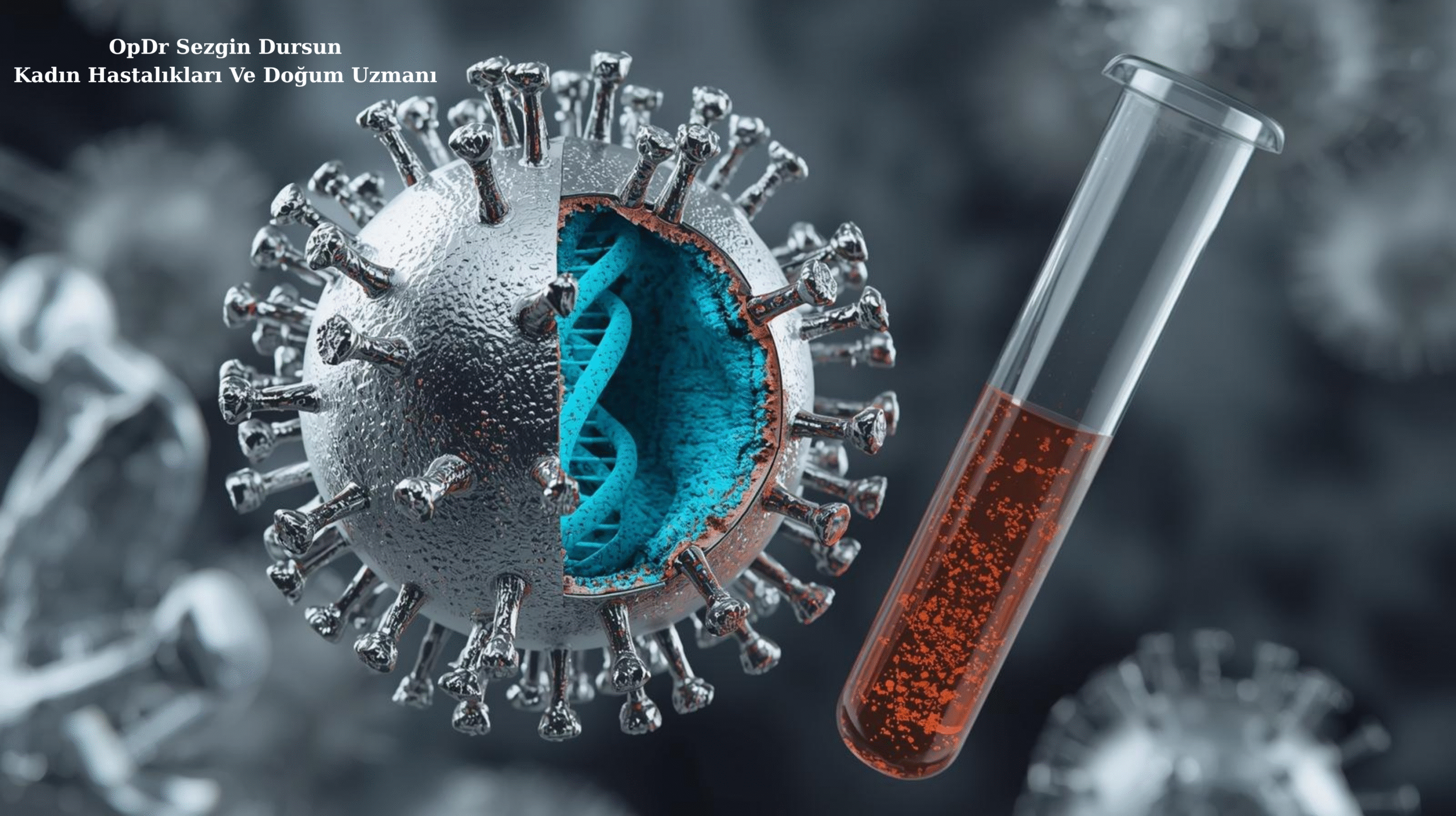
For information and appointments in Kuşadası: +90 541 998 34 34
Understanding Warts and HPV Infection
HPV infects the skin and mucosal epithelium through microscopic abrasions, leading to uncontrolled cell growth and wart formation. Over 150 HPV subtypes exist, and specific strains target different body sites. While many infections resolve spontaneously, others persist, requiring medical treatment.
Clinics in Kuşadası manage various types of warts — from hand and foot warts to genital warts — using advanced technologies such as cryotherapy, laser therapy, and immune-based treatments for lasting results.
Common Types of Warts
Common warts (Verruca vulgaris): Rough papules, usually on the hands, elbows, or knees.
Plantar warts (Verruca plantaris): Hard, painful lesions on the soles of the feet that can interfere with walking.
Flat warts (Verruca plana): Smooth, slightly raised lesions, often on the face or legs.
Genital warts (Condyloma acuminata): Soft, flesh-colored growths transmitted sexually, affecting the genital or anal areas.
Subungual and periungual warts: Appear under or around nails and can be resistant to therapy.
Diagnosis and Evaluation in Kuşadası Clinics
Diagnosis is typically clinical — based on the wart’s appearance, texture, and site. However, Kuşadası dermatology and gynecology specialists use advanced diagnostic techniques to ensure accurate assessment and rule out other conditions such as calluses or precancerous lesions.
Diagnostic Methods
Dermoscopy: Non-invasive visualization that reveals vascular dots or thrombosed capillaries typical of warts.
Acetic acid test (3–5%): Commonly used for genital warts; infected tissue turns white.
Biopsy: Performed for persistent or atypical lesions to exclude malignancy.
HPV DNA testing: Occasionally used for genital warts or as part of cervical screening in women.
Associated Evaluations
In genital cases, doctors may also recommend:
-
Pap smear and colposcopy in women.
-
STI testing for HIV, syphilis, or chlamydia.
-
Immune status screening in patients with frequent recurrences or extensive lesions.
Early diagnosis and individualized planning are key to successful treatment and recurrence prevention.
Treatment Goals and Principles
The primary aims of wart treatment are to remove visible lesions, alleviate discomfort, prevent recurrence, and maintain aesthetic skin integrity. As HPV can remain dormant, combination therapy and follow-up are essential. Clinics in Kuşadası follow protocols based on UpToDate, CDC, and European IUSTI guidelines, ensuring the highest standard of care.
Topical and Non-Surgical Treatments
1. Salicylic Acid
A keratolytic agent that exfoliates and removes infected skin. It is the first-line treatment for common and plantar warts. Applied daily after soaking and gentle filing. Available over the counter in Kuşadası pharmacies. Safe, inexpensive, and effective, especially for smaller lesions.
2. Imiquimod (5% Cream)
An immune-response modifier that stimulates interferon and cytokine production, helping the body eliminate HPV-infected cells. Applied three nights per week and washed off in the morning. Used primarily for genital and perianal warts. Redness and mild irritation indicate local immune activity.
3. Podofilox (Podophyllotoxin)
A patient-applied cytotoxic drug for small external genital warts. Applied twice daily for three days, followed by four rest days; cycles may be repeated. Not recommended during pregnancy. Kuşadası clinics provide instructions for safe self-use under medical guidance.
4. Sinecatechins 15% Ointment
A green tea extract-based ointment with antiviral and antioxidant effects. Applied three times daily for up to 16 weeks. Suitable for genital warts and well tolerated by most patients.
5. Trichloroacetic Acid (TCA)
A chemical cauterant applied by physicians. It coagulates and removes infected tissue. Safe during pregnancy and for mucosal areas. Weekly sessions continue until complete clearance. Commonly used in gynecology clinics in Kuşadası.
6. Other Medical Options
-
Retinoic acid (Tretinoin): For facial or flat warts.
-
5-Fluorouracil: For resistant plantar or periungual warts.
-
Zinc and cimetidine: Oral immune support agents that may reduce recurrence.
In-Clinic and Surgical Treatments in Kuşadası
For large, recurrent, or painful lesions, in-office procedures provide rapid and reliable results. Kuşadası clinics use advanced equipment for precise, minimally invasive treatments.
1. Cryotherapy
One of the most common and effective wart removal methods. Liquid nitrogen freezes and destroys infected cells, triggering an immune reaction. Usually performed every 2–3 weeks for several sessions. Side effects include mild pain, blistering, or redness. Clearance rate: up to 90%.
2. Electrocautery
Uses electrical current to burn and remove wart tissue. Provides immediate results and high precision. Performed under local anesthesia. Post-procedure care ensures clean healing with minimal scarring.
3. Laser Therapy (CO₂ or Pulsed Dye Laser)
Laser energy vaporizes wart tissue with excellent control and cosmetic outcomes. Ideal for stubborn, large, or genital warts. Clinics in Kuşadası offer CO₂ laser therapy with fast healing (typically within a week) and minimal recurrence.
4. Surgical Excision / Curettage
Involves physically removing warts under local anesthesia. Best for single or resistant lesions. Often followed by electrocautery to prevent regrowth. Healing usually occurs within 7–10 days.
5. Photodynamic Therapy (PDT)
A combination of a photosensitizing agent and specific light exposure that selectively destroys infected cells. Effective for recurrent or flat warts. Available in advanced dermatology units in Kuşadası.
6. Immunotherapy
Stimulates the immune system to target HPV-infected cells by injecting antigens (Candida, MMR vaccine, or HPV proteins) into the wart. Effective for resistant or multiple warts. Safe and promising with increasing use in Turkey’s major dermatologic centers.
Genital Wart Management in Kuşadası
Genital warts are a common sexually transmitted infection caused mainly by HPV types 6 and 11. Clinics in Kuşadası provide confidential, professional, and compassionate care for both men and women. Treatments follow CDC and European IUSTI standards, focusing on safety and complete viral suppression.
Treatment Options
Patient-applied: Imiquimod, Podofilox, Sinecatechins.
Clinician-applied: Cryotherapy, Electrocautery, TCA, Laser therapy.
Surgical: Excision or laser removal for extensive lesions.
Patient Counseling
-
Wart treatment removes visible lesions but not latent HPV infection.
-
Condom use reduces but does not completely prevent transmission.
-
HPV vaccination (Gardasil 9) is recommended for both sexes to prevent recurrence and protect against high-risk strains.
-
Women should continue regular Pap smears and HPV testing.
-
Education on hygiene and safe sexual practices is part of holistic care.
Special Considerations
Pregnancy
-
Avoid podophyllin, podofilox, and imiquimod.
-
Safe alternatives include Cryotherapy and TCA.
-
Cesarean section may be considered for large obstructive genital warts.
Immunocompromised Patients
-
Warts may be extensive and resistant.
-
Combined therapy with topical, surgical, and immune-based options is often required.
-
Regular follow-up is crucial for long-term control.
Pediatric Patients
-
Many warts resolve naturally over months.
-
Gentle treatments such as salicylic acid or cryotherapy are preferred.
-
Aggressive methods are avoided to prevent scarring.
Prognosis and Recurrence
Recurrence occurs in up to 40% of cases, depending on immune status and treatment compliance. Reinfection is possible through close contact or sexual activity.
Most patients treated in Kuşadası experience complete clearance after appropriate therapy and follow-up. Strengthening immune health and maintaining good hygiene help reduce relapse.
Prevention and Lifestyle Measures
-
Avoid direct contact with warts or scratching lesions.
-
Do not share towels, razors, or shoes.
-
Keep skin clean and dry.
-
Practice safe sex and consider HPV vaccination.
-
Boost immunity through balanced diet, exercise, and stress management.
-
Schedule regular skin and gynecologic check-ups in Kuşadası clinics.
Evidence-Based Summary
-
Warts are caused by HPV and may resolve spontaneously or persist.
-
Salicylic acid and cryotherapy are first-line treatments for common types.
-
Imiquimod, TCA, and laser therapy are highly effective for genital warts.
-
Photodynamic therapy and immunotherapy help manage resistant cases.
-
Combination therapy offers better long-term outcomes.
-
HPV vaccination remains essential for prevention.
-
Kuşadası clinics adhere to UpToDate, CDC, and European IUSTI standards to ensure the best care.
Comprehensive Wart Treatment in Kuşadası, Turkey
Kuşadası hosts modern dermatology and gynecology centers serving both local residents and international patients seeking quality healthcare. Equipped with advanced laser, cryotherapy, and photodynamic therapy systems, clinics deliver results with minimal discomfort and downtime.
Doctors provide multilingual support (English, Turkish, Arabic, Russian) and ensure patient confidentiality. Whether dealing with a single wart or multiple HPV-related lesions, Kuşadası clinics combine medical expertise and compassionate care in a serene coastal setting.
For examination, diagnosis, and wart treatment in Kuşadası: +90 541 998 34 34
Şunları da incelemek isteyebilirsiniz https://www.sezgindursun.com/atasehir-hpv-testi/
https://www.sezgindursun.com/atasehir-genital-sigil-tedavisi/